
Unlocking the Longevity of Your Artistic Investments
At Prime Vista Art, we believe that true art transcends fleeting trends, becoming a timeless narrative within your architectural space. Yet, the enduring beauty of high-end canvas artworks is not solely a testament to the artist’s genius; it is equally a reflection of meticulous care and informed preservation. This comprehensive guide delves into the professional strategies for safeguarding your valuable canvas pieces, ensuring their vibrancy and structural integrity for generations to come. Understanding canvas art preservation is not just a responsibility—it’s an investment in heritage. Mastering canvas art preservation is the key to maintaining the value of your investment.
Understanding the Vulnerabilities of Canvas Art
Before we delve into preservation, it’s crucial to understand the inherent susceptibilities of canvas art. These works, often composed of organic materials like linen or cotton, paint pigments, and varnishes, are dynamic entities that react to their environment. This is why canvas art preservation is a top priority for serious collectors.
Environmental Threats: Humidity, Temperature, and Light
Effective canvas art preservation starts with understanding your environment. Canvas artworks are particularly sensitive to fluctuations in their surroundings. Humidity is a primary concern; excessive moisture can lead to mold growth, paint delamination, and canvas slackening, while overly dry conditions can cause brittleness and cracking. Similarly, temperature extremes and rapid changes can stress the canvas and paint layers. Perhaps the most insidious threat is light, especially ultraviolet (UV) radiation, which causes irreversible fading, discoloration, and degradation of pigments and varnishes over time.
Physical Damage: Handling, Dust, and Pests
Beyond environmental factors, physical interactions pose significant risks. Improper handling during transport or hanging can result in tears, punctures, or abrasions. Accumulations of dust and dirt not only obscure the artwork’s details but can also become abrasive or attract moisture. Lastly, pests such as insects or rodents can cause direct physical damage to the canvas and frame, often unnoticed until it’s too late. Proactive canvas art preservation prevents these hidden threats from escalating.
Proactive Preservation: Safeguarding Your Investment
Effective canvas art preservation is primarily about proactive measures. By creating an optimal environment and adopting best practices, you can significantly extend the life and maintain the aesthetic and monetary value of your collection.
Optimal Environmental Control: Humidity & Temperature
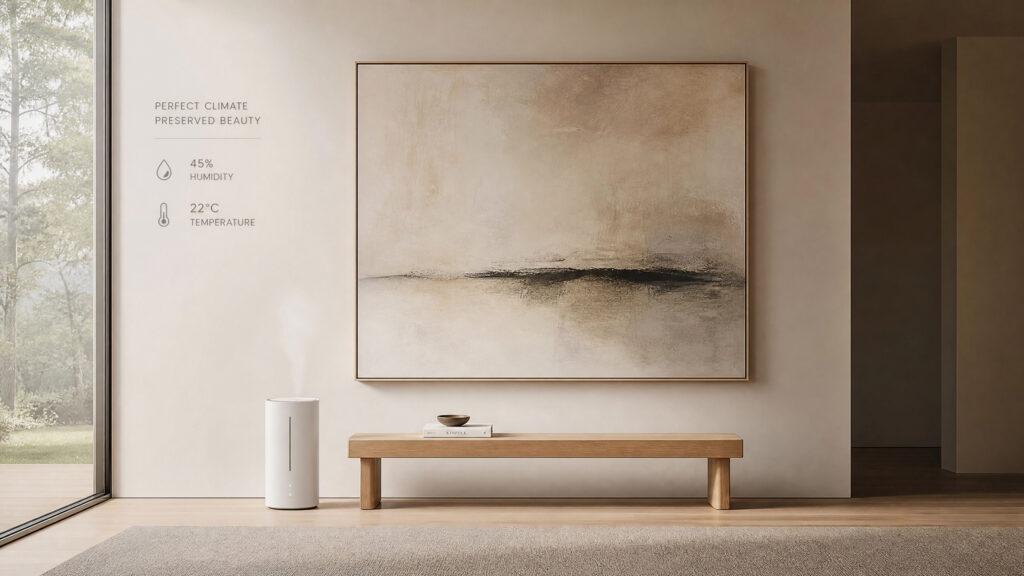
Maintaining a stable environment is paramount. Ideally, canvas artworks should be kept in a room with a consistent relative humidity between 45% and 55% and a temperature range of 68-72°F (20-22°C). Avoid placing artworks near heat sources, air conditioning vents, or exterior walls where temperature and humidity fluctuate most dramatically. For a deeper understanding of how art interacts with its surroundings, consider our insights on Spatial Narrative: How to Choose the Perfect Artwork Size Based on Architectural Scale
The Invisible Enemy: UV Protection
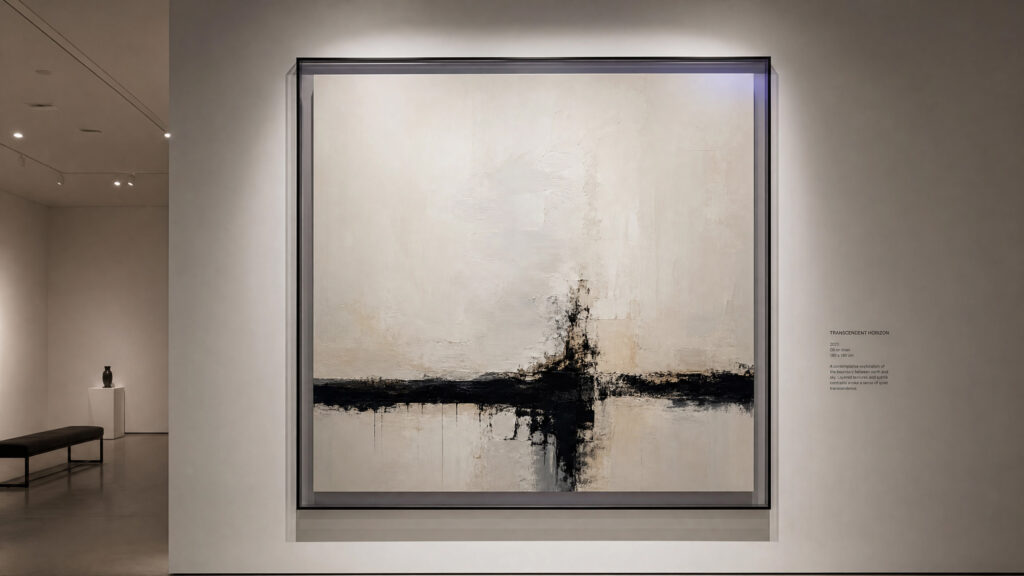
Protecting your art from UV radiation is non-negotiable. When it comes to canvas art preservation, shielding your work from light is the most critical step. Even indirect sunlight contains harmful UV rays. Employing UV-filtering glass or acrylic in framing is highly recommended. For artworks displayed in rooms with significant natural light, consider UV-blocking window films or drapes. Position artworks away from direct sunlight and strong artificial lights, which can also emit damaging UV radiation and heat.
Dust & Dirt: Gentle Cleaning Practices
Regular, gentle cleaning is essential. Use a soft, clean, dry brush (such as a camel hair brush) to lightly dust the surface of the canvas and frame. Never use water, cleaning solutions, or chemical sprays directly on the artwork, as these can cause irreparable damage to paint layers and varnishes. For stubborn dirt or any concerns, always consult a professional conservator.
Secure Handling & Display
Always handle canvas art by the frame, never by the canvas itself. When moving, ensure the artwork is properly supported and protected. Use secure hanging hardware appropriate for the artwork’s weight and wall type. Avoid hanging art in high-traffic areas where it might be accidentally bumped or scratched. Ensure adequate space around the artwork for air circulation.
When to Seek Professional Restoration
Despite the best preservation efforts, artworks may occasionally require professional intervention. Recognizing the signs of damage and knowing when to consult an expert is crucial for effective canvas art restoration.
Recognizing the Signs: Cracks, Fading, and Discoloration
Be vigilant for signs of deterioration. Cracks in the paint layer (craquelure) are natural with age but can indicate instability if severe or rapidly developing. Fading or dulling of colors, often unevenly, points to light damage. Discoloration of the varnish layer (yellowing) or the appearance of dark spots (mold) are clear indicators that professional attention is needed. Any tears, punctures, or significant paint loss also warrant immediate expert assessment.
The Restoration Process: What to Expect
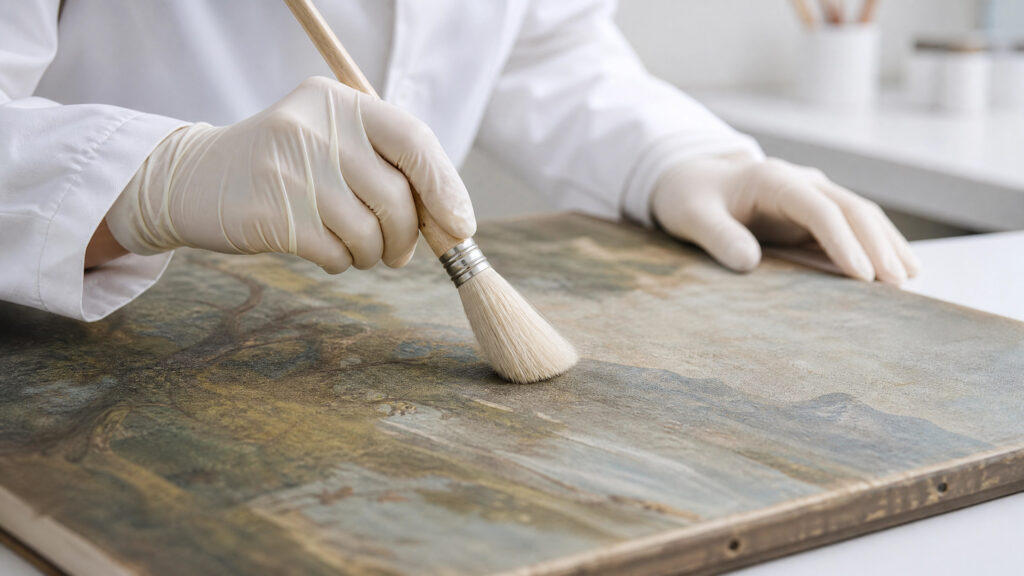
Professional art restoration is a highly specialized field. A conservator will typically begin with a thorough examination, often using scientific imaging techniques. The restoration process may involve:
•Surface Cleaning: Removing accumulated dirt and grime.
•Varnish Removal & Replacement: Carefully removing old, discolored varnish and applying a new, stable protective layer.
•Consolidation: Stabilizing flaking or lifting paint.
•Inpainting (Retouching): Carefully filling in areas of paint loss with reversible pigments, matching the original colors and texture.
•Structural Repair: Mending tears or reinforcing the canvas.
Choosing a Qualified Conservator
Selecting the right conservator is paramount. Look for professionals with formal training in art conservation, extensive experience with canvas paintings, and membership in recognized professional organizations. Always request references and a detailed treatment proposal before any work begins. A qualified expert is your best partner in long-term canvas art preservation. For a directory of qualified conservators and ethical guidelines, you can consult organizations like the American Institute for Conservation of Historic and Artistic Works (AIC) [External Link: AIC].
Long-Term Value: Art Care as an Investment
Proper canvas art preservation and timely, professional restoration are not mere expenses; they are critical investments that safeguard the aesthetic integrity and financial value of your collection. By understanding the vulnerabilities of canvas art and implementing proactive care strategies, you ensure that your high-end pieces continue to inspire and enrich your architectural spaces for generations. At Prime Vista Art, we are committed to empowering collectors with the knowledge to cherish and protect their artistic heritage, transforming each acquisition into a lasting legacy. By following these canvas art preservation techniques, you ensure a lasting legacy for your art.