

The Ultimate Guide to Evaluating Minimalist Abstract Art
In the sophisticated world of fine art, minimalism is often misunderstood as “simple.” However, for the discerning collector, the true value lies in what is unsaid. Evaluating Minimalist Abstract Art requires a shift in perspective—from looking at the subject to feeling the presence of the work itself. Whether you are a seasoned investor or a first-time collector discovering masterpieces through Prime Vista Art, understanding these five dimensions will transform your collection from a series of decorations into a curated legacy. As noted in professional guides like the Saatchi Art Buying Guide, the journey of acquisition is as much about education as it is about aesthetics.
Dimension 1: Materiality and Tactile Depth
The first step in Evaluating Minimalist Abstract Art is observing the physical medium. A high-value minimalist piece often uses texture to create depth where color is absent. Look for the thickness of the impasto, the organic weave of the linen canvas, or the way the light catches a matte finish. These physical choices are the artist’s silent language. A piece that shows mastery over its materials will always hold more long-term value than a flat, mass-produced print. At Prime Vista Art, we prioritize recommending works where the “hand of the artist” is visible in every stroke, ensuring that the materiality resonates with the architectural integrity of your home.

Dimension 2: The Silent Logic of Negative Space
Minimalism is the art of subtraction. When Evaluating Minimalist Abstract Art, ask yourself: Does the negative space feel intentional? A masterpiece maintains a “silent logic” where every line and void is perfectly balanced. This compositional tension is what creates the “gallery feel” in a modern home. If a single element feels out of place, the entire work loses its power. This precision is what distinguishes a Prime Vista Art recommendation from decorative clutter. Remember, in a minimalist home, the space around the art is just as important as the art itself.
Dimension 3: Emotional Resonance and Color Psychology
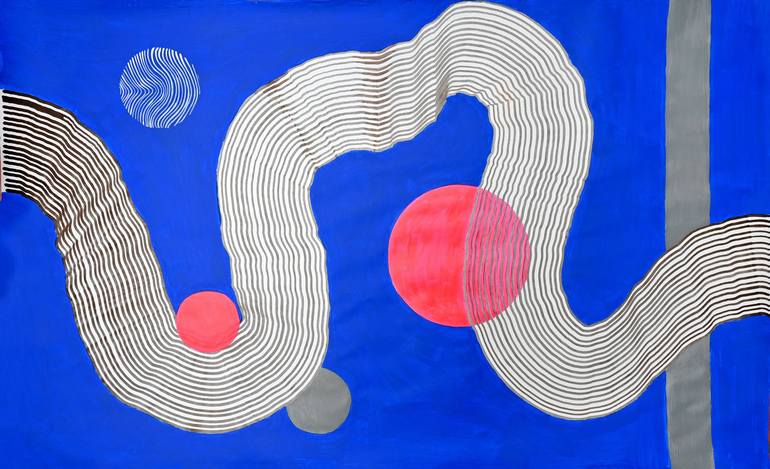
Beyond the technical, the most valuable art is that which evokes a visceral response. When Evaluating Minimalist Abstract Art, stand before it and observe your own reaction. Does it induce a sense of calm, or does it spark curiosity? The “soul” of a piece is its most intangible yet valuable asset. Collectors often find that works with deep emotional resonance—whether through a soothing sage green or a grounding terracotta—become the most cherished parts of their daily lives. Your art should not just fill a wall; it should anchor your mood and reflect your inner vision.

Dimension 4: Artist Vision and Narrative Consistency
The story behind the canvas matters. A collector’s eye looks for an artist with a consistent vision. When you are Evaluating Minimalist Abstract Art, research the artist’s history and their contribution to the minimalist movement. An artist who is pushing the boundaries of the medium adds a layer of historical value to your acquisition. We often look to platforms like Saatchi Art to discover emerging talents who are redefining what it means to be a minimalist in the 21st century. Our curation process at Prime Vista Art focuses on these visionaries who offer more than just visual appeal.
Dimension 5: Scale and Architectural Harmony
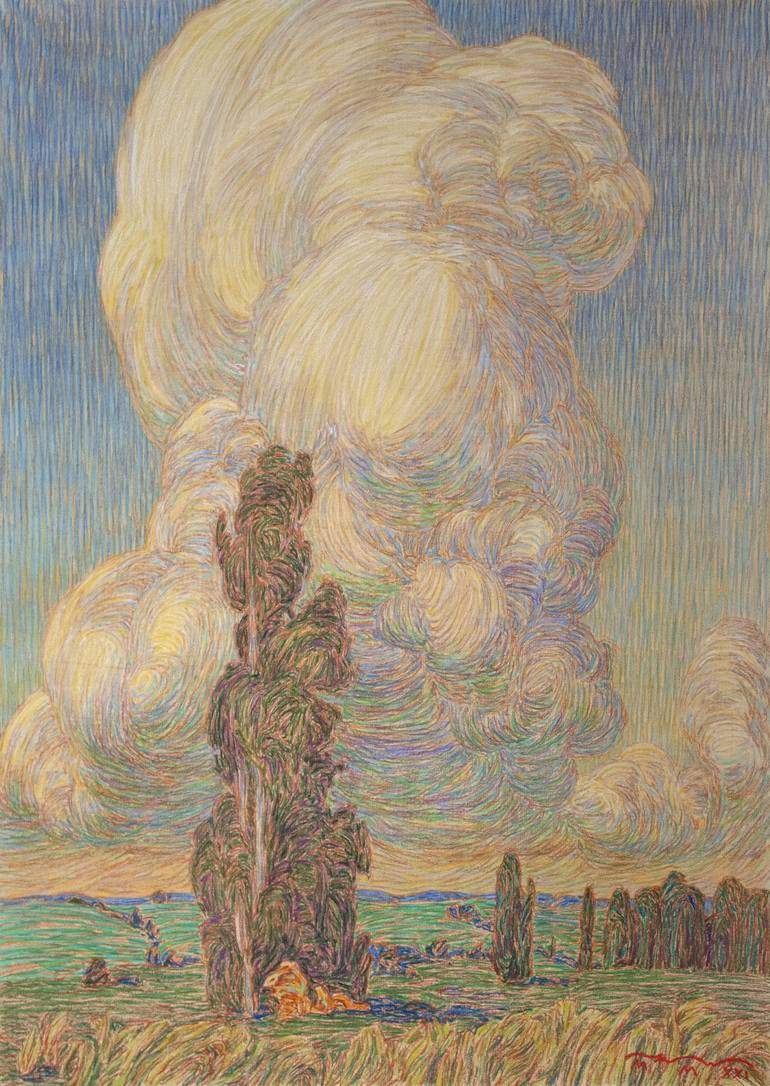
Finally, consider the work’s relationship with its environment. Evaluating Minimalist Abstract Art involves visualizing the piece in a lived-in space. Scale can make or break a room; a large-scale work has the power to define an entire room’s architecture, while a smaller piece might be better suited for a curated gallery wall. We emphasize recommending pieces that respect the scale of your home, ensuring the art enhances rather than overwhelms your daily life. A well-placed statement piece is the ultimate investment in your home’s spatial narrative.
Conclusion: Curating Your Collection with Confidence
Evaluating art is a journey of both the mind and the heart. By focusing on materiality, composition, emotion, vision, and scale, you are well on your way to building a world-class collection. We invite you to apply these principles as you explore the recommendations at Prime Vista Art. Whether you discover your next masterpiece through our curated insights or our global partners, remember that true value is found in the art that speaks to your soul. Start your curation journey today and elevate your home to a new level of sophistication.