
In the world of high-stakes asset allocation, the most profound returns often come from the most silent sources. As traditional markets face unprecedented volatility, sophisticated investors are increasingly turning to the art market—not just for aesthetic pleasure, but as a robust pillar of a diversified portfolio. At Prime Vista Art, we explore why Investment Value of Minimalist Art is becoming the strategic choice for the modern collector.
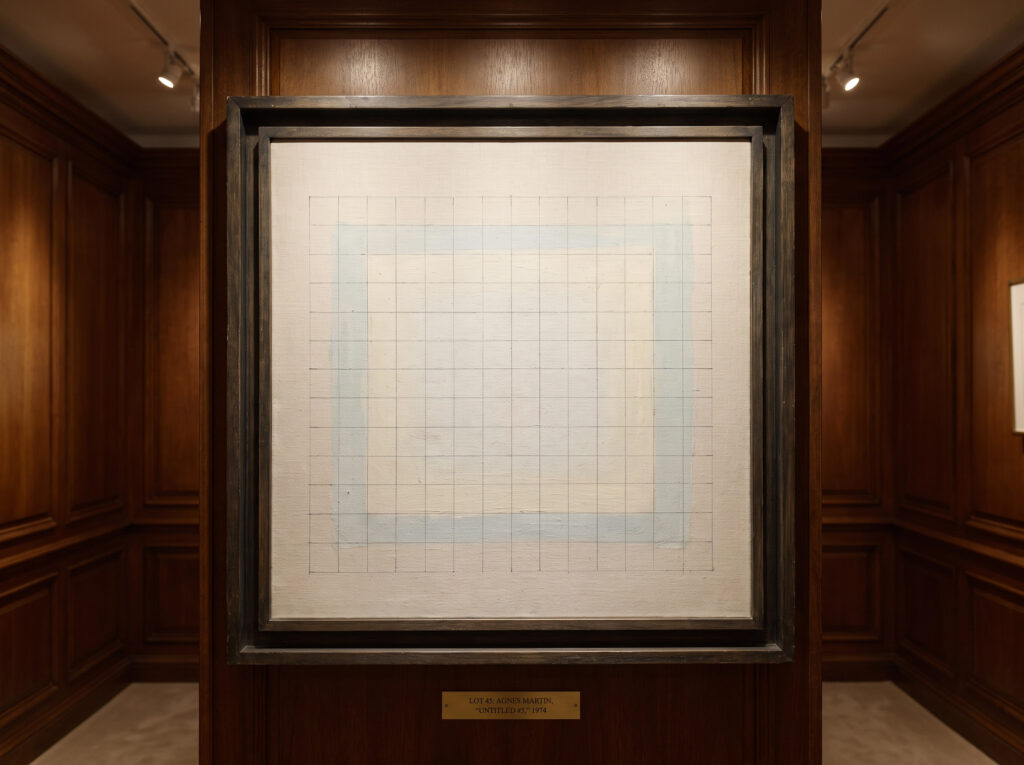
1. Historical Resilience: The Blue-Chip Legacy of Minimalism
Minimalism is not a passing trend; it is a blue-chip legacy. Works by masters like Agnes Martin and Donald Judd have consistently shattered auction records, with realized prices reaching upwards of $18 million. This historical resilience proves that the “Art of Subtraction” holds a permanent and growing value in the global market. Investing in minimalist art is, in essence, investing in the enduring power of clarity.
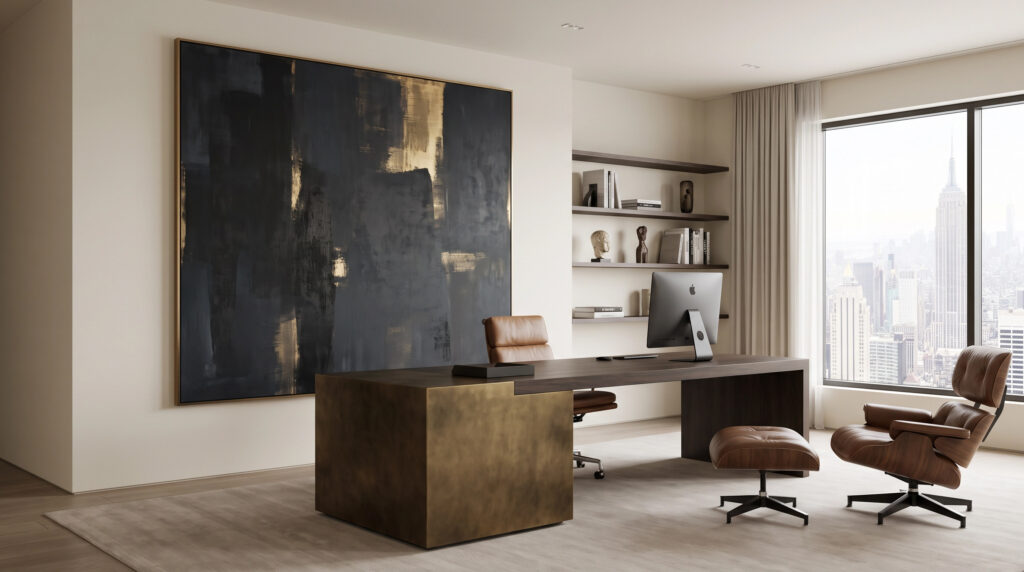
2. Market Trends: The $50,000 “Sweet Spot”
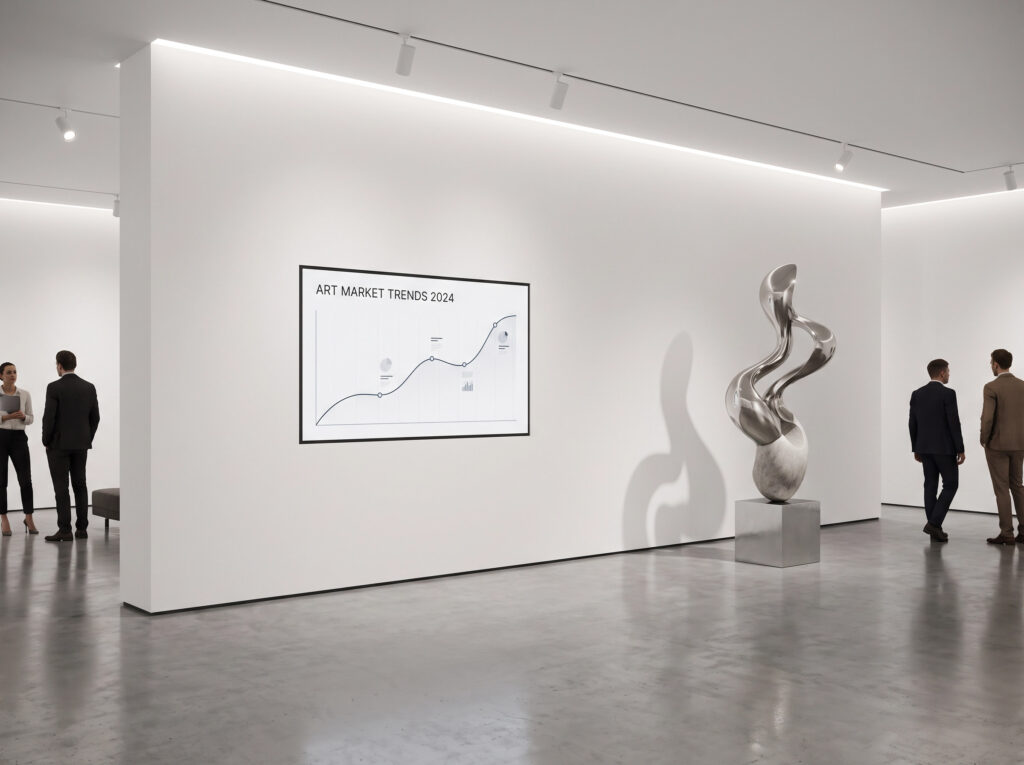
Current data from the 2026 Art Market Report indicates a significant shift in buyer behavior. While marquee auctions capture headlines, the real growth is happening in the mid-market. Artworks priced under $50,000 now account for over 60% of total transactions. For the strategic collector, this represents a high-liquidity “sweet spot” where minimalist works often outperform more complex, figurative pieces. where minimalist works often outperform more complex, figurative pieces. This is why savvy collectors prioritize the Investment Value of Minimalist Art during market shifts.
3. Visual Stability: Minimalism as a Visual Anchor
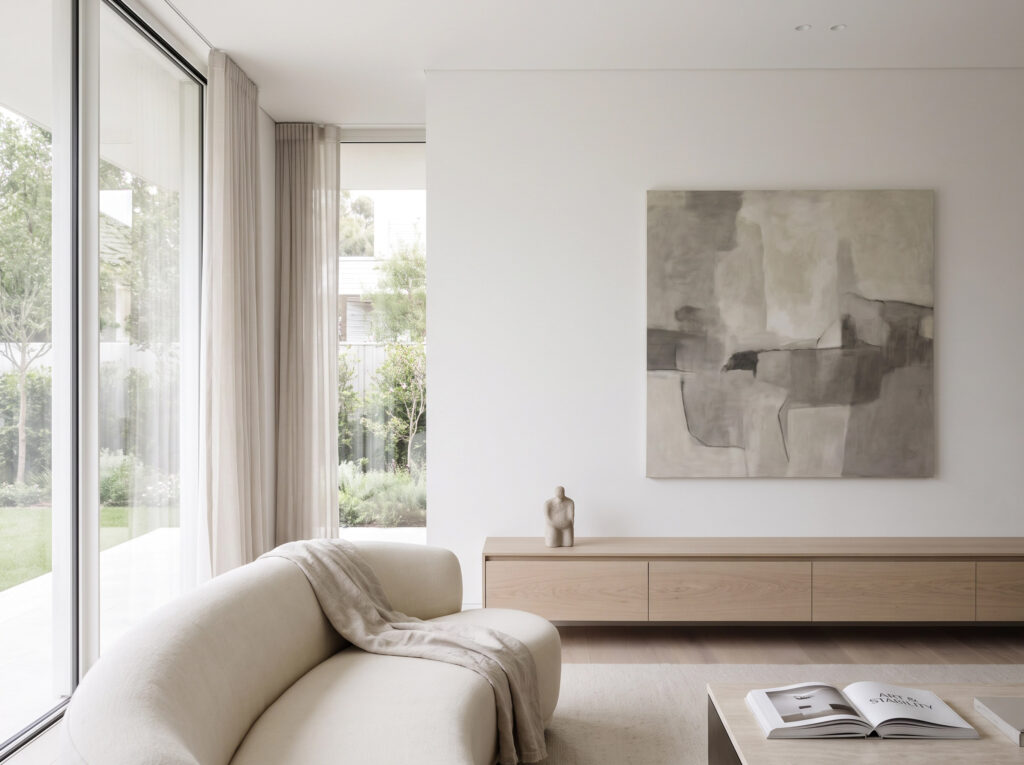
In a volatile economy, investors seek stability. Psychologically, minimalist art provides a “visual anchor” that reduces cognitive noise. This sense of peace translates directly into market value; collectors are willing to pay a premium for works that offer a restorative atmosphere. This is a core concept in Art as an Emotional Sanctuary, where aesthetic value and financial stability coexist.
4. Diversification: Building a Balanced Art Portfolio
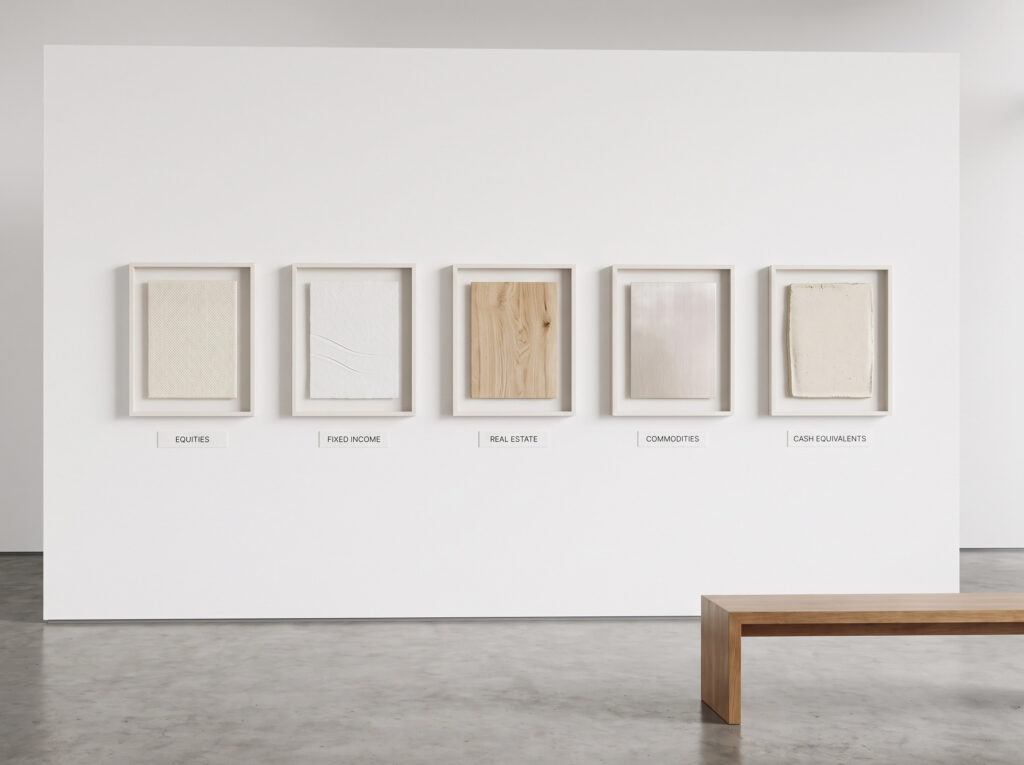
A truly resilient portfolio is a diversified one. By integrating a range of minimalist works—from intimate small-scale sketches to impactful statement installations—collectors can mitigate risk while maximizing potential returns. This approach aligns with the principles of The Private Gallery, where every acquisition is a strategic building block of a larger narrative.
5. Cultural Capital: The Choice of the Ultra-Wealthy
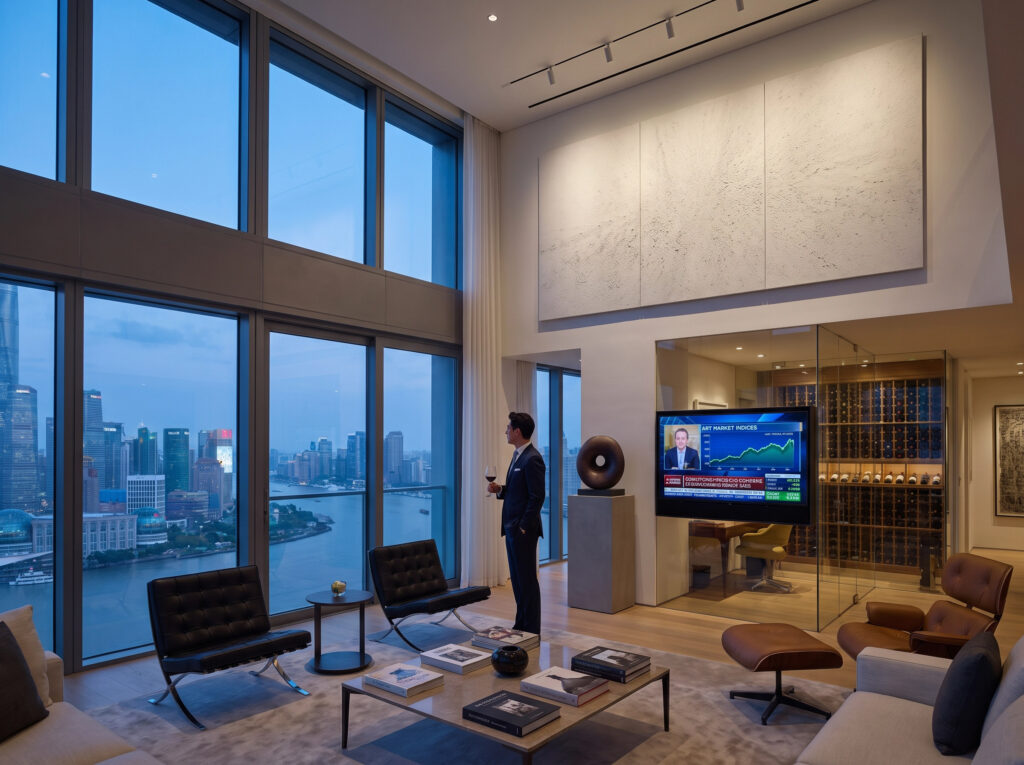
For the world’s ultra-wealthy, art is more than an asset; it is cultural capital. Investing in minimalism signals a sophisticated level of discernment and a rejection of the superficial. This “status of simplicity” makes minimalist works highly desirable in private sales and high-end secondary markets, ensuring that the Investment Value of Minimalist Art remains insulated from the fluctuations of mass-market trends.
6. Material Integrity: Craftsmanship and Longevity
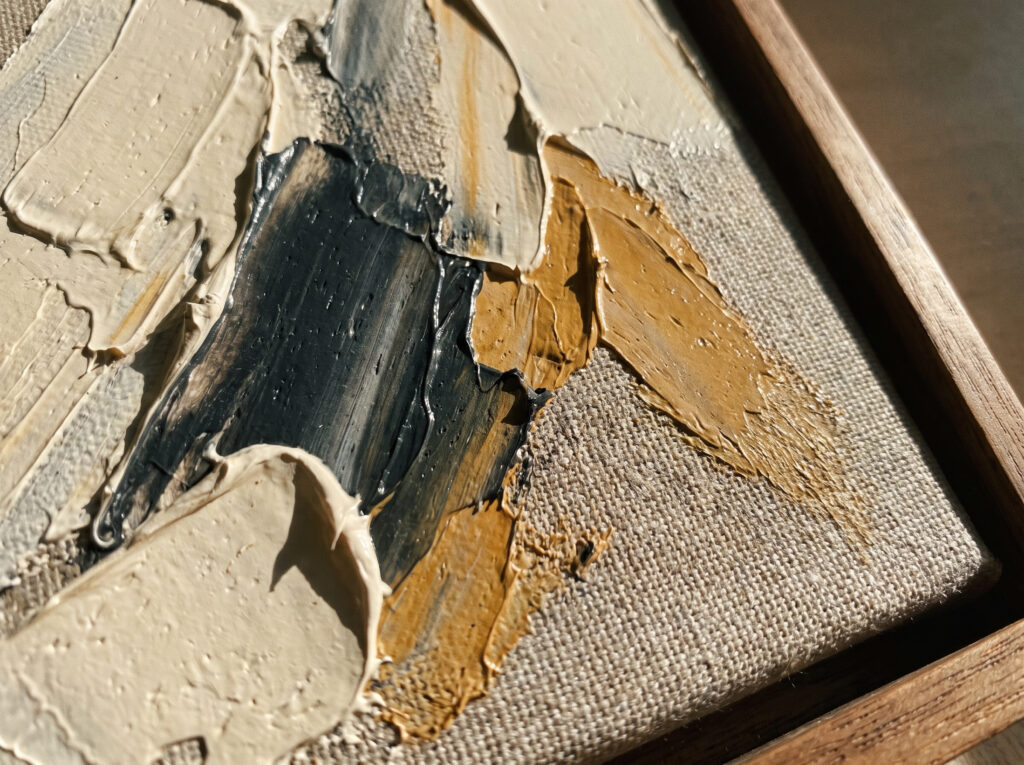
Understanding the Investment Value of Minimalist Art requires a deep appreciation for material integrity. Whether it is the fine weave of a linen canvas. Whether it is the fine weave of a linen canvas or the precision of industrial steel, the craftsmanship of a high-end piece ensures its physical longevity. Understanding the Architectural Materials used in these works is essential for any serious investor looking to preserve their capital over decades.
7. The Future of Collecting: Phygital and Beyond
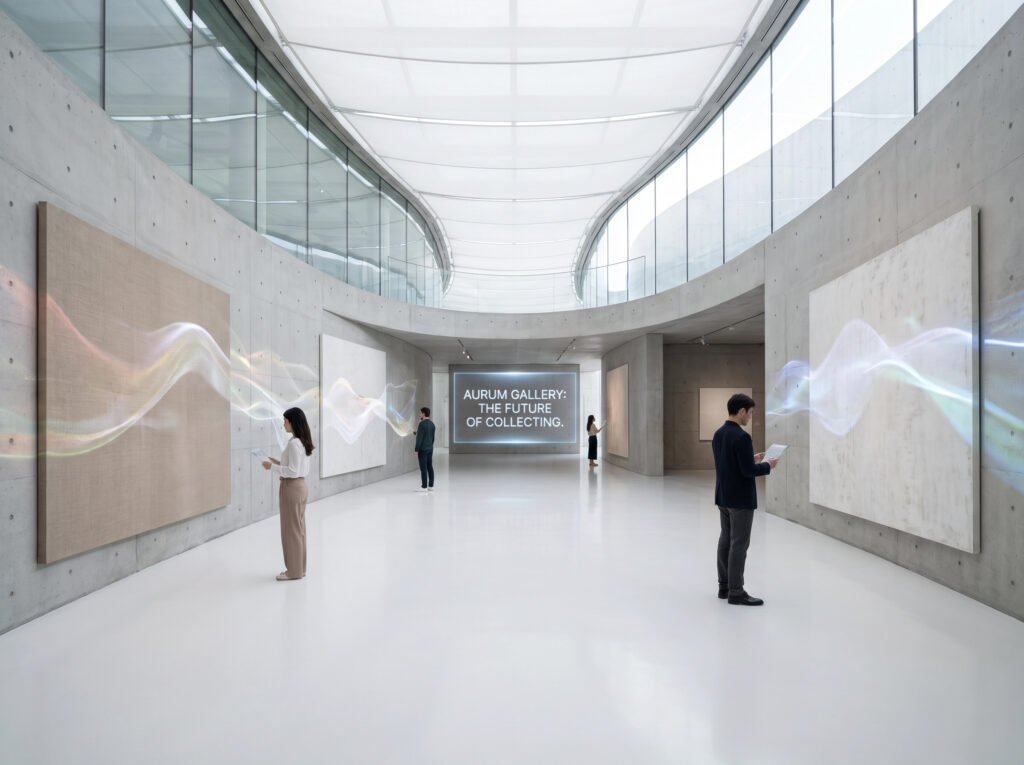
As we move toward 2027, the art market is evolving. The integration of digital provenance and smart sensors into private collections is creating a new “phygital” landscape. Minimalist art, with its clean lines and conceptual depth, is perfectly suited for this technological shift. Staying ahead of these trends is vital for those who view their collection as a Curated Mind exercise in future-proofing.
Conclusion: Investing in a Curated Future
Art is the only asset class that you can live with while it appreciates. By focusing on the Investment Value of Minimalist Art, you are not just buying a painting; you are securing a piece of cultural history that serves your soul and your balance sheet. At Prime Vista Art, we invite you to invest in a future that is as curated as it is profitable.