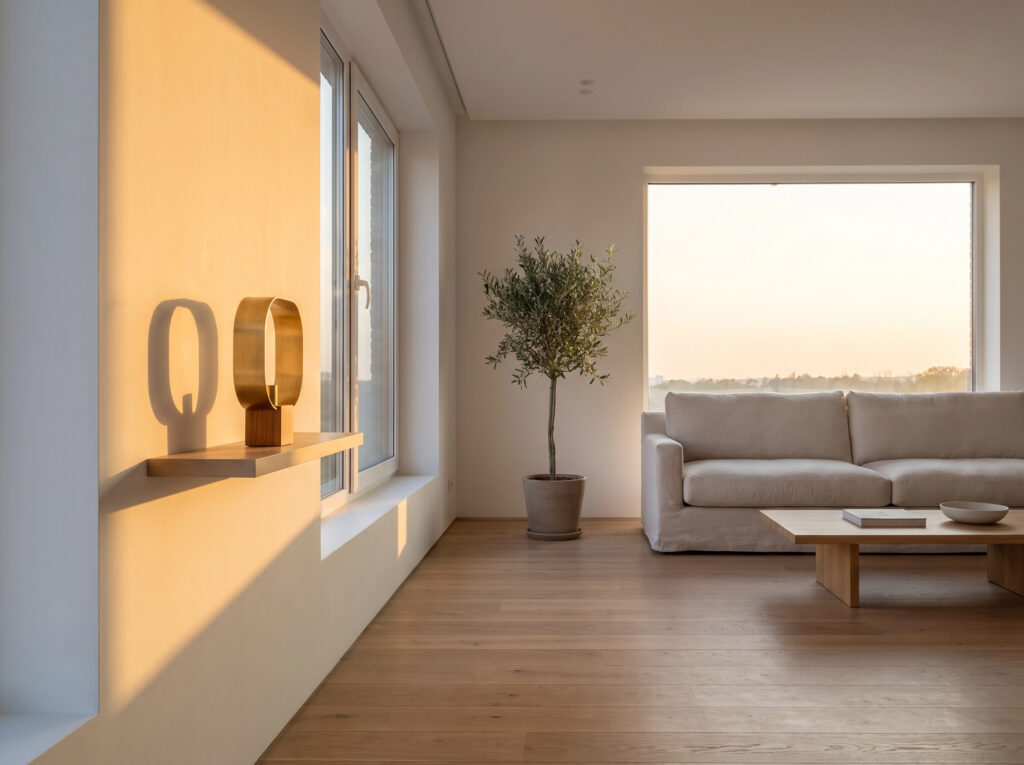

The Art of the Niche is more than just a decorative choice; it is a profound curatorial philosophy that celebrates intimacy, precision, and the quiet power of the small. In an era where “bigger is better” often dominates architectural trends, the true connoisseur knows that a single, exquisite small-scale piece can often carry more emotional weight than a massive mural. At Prime Vista Art, we believe that the most meaningful connections with art happen at a human scale.
1. The Power of Proximity: Why We Need The Art of the Niche
Large-scale art commands a room, but small-scale art invites you in. This is the core of The Art of the Niche. When you stand before a small original work, the distance between the viewer and the creator shrinks. You are forced to step closer, to notice the individual brushstrokes, and to appreciate the tactile quality of the medium. This physical proximity fosters a sense of intimacy that is often lost in larger spaces.
By integrating small pieces, you create a “visual sanctuary” within your home—a concept we explored deeply in our recent look at Art as an Emotional Sanctuary.
2. Celebrating Negative Space through The Art of the Niche
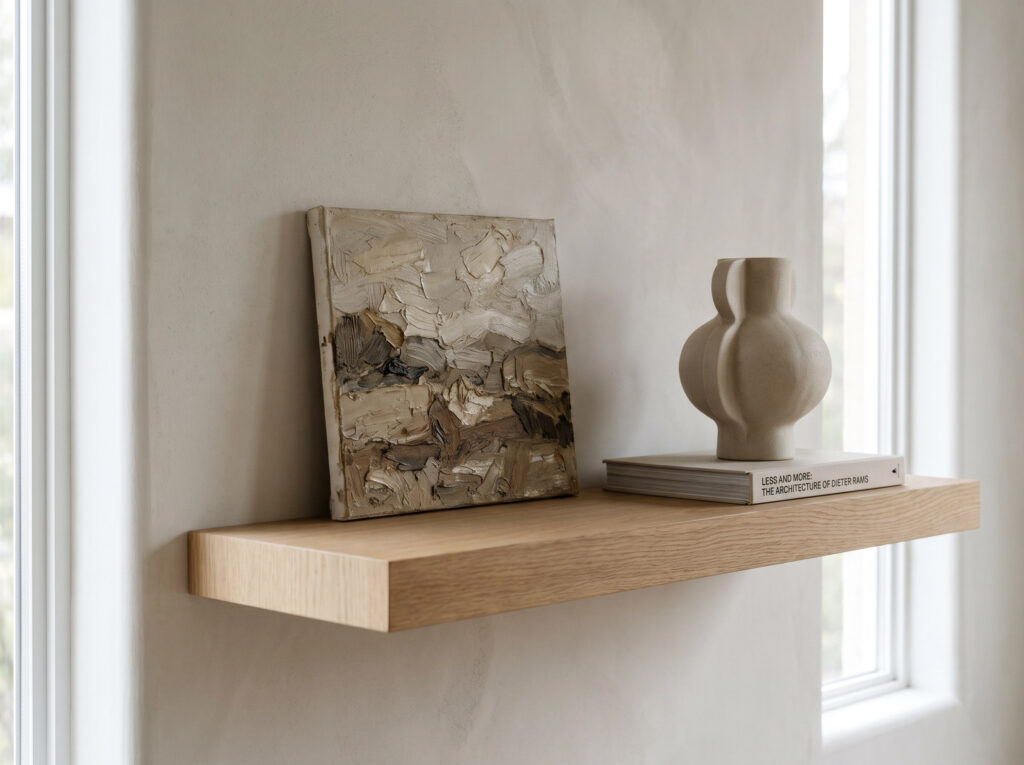
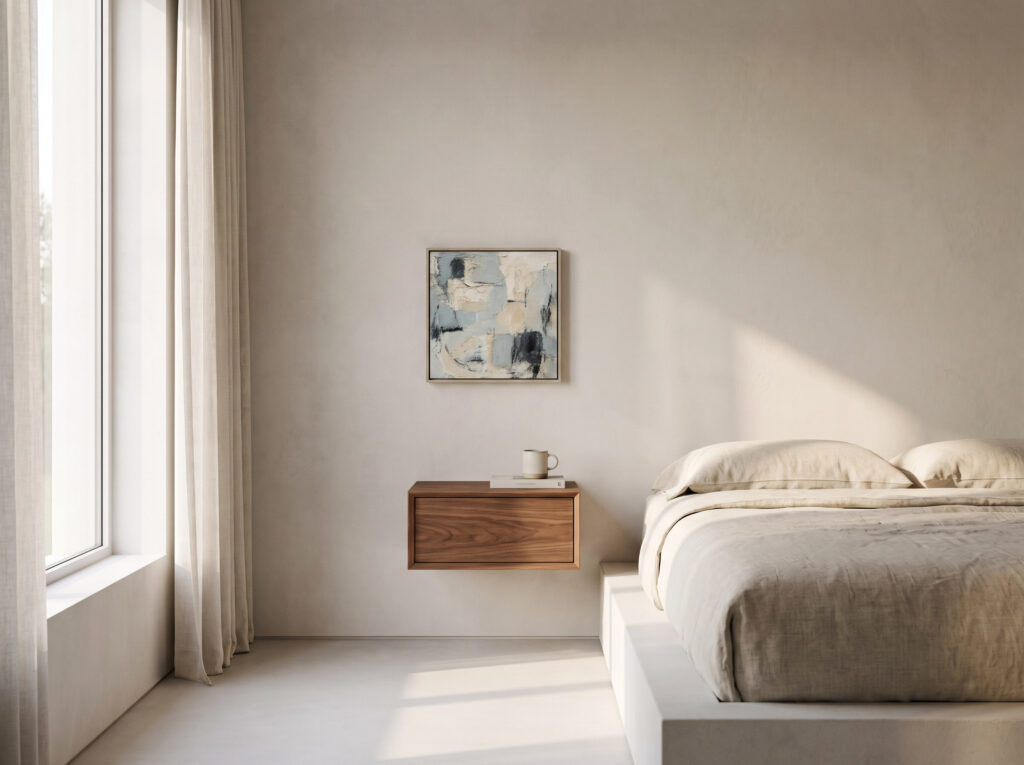
In minimalist design, what you leave out is just as important as what you put in. The Art of the Niche thrives on the celebration of negative space. A small artwork positioned intentionally on a vast, textured wall creates a “focal point of silence.” It draws the eye not through overwhelming size, but through the tension between the object and the emptiness surrounding it.
This approach aligns perfectly with the principles of The Art of Subtraction: Minimalist Art and Slow Living, where every object must earn its place in the home.
3. The Collector’s Strategy: Investing in The Art of the Niche
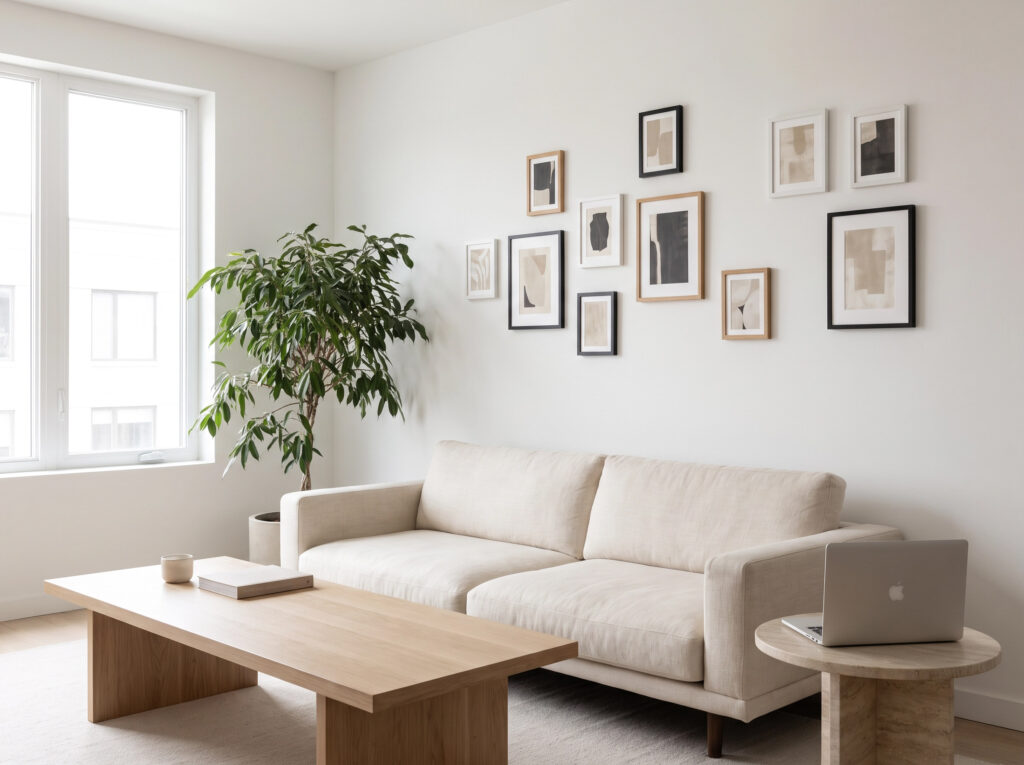
For the modern collector, small-scale works represent a highly strategic entry point into the market. The Art of the Niche allows you to acquire pieces from world-class artists that might be inaccessible in larger formats. These works often retain their value exceptionally well because they are versatile and easy to relocate, fitting seamlessly into various architectural contexts.
As we discussed in The Investment Value of Minimalist Art, diversification is key. Small-scale masterpieces provide a unique layer of stability and personal expression to any high-end portfolio.
4. Architectural Integration: Small Scale, Big Impact
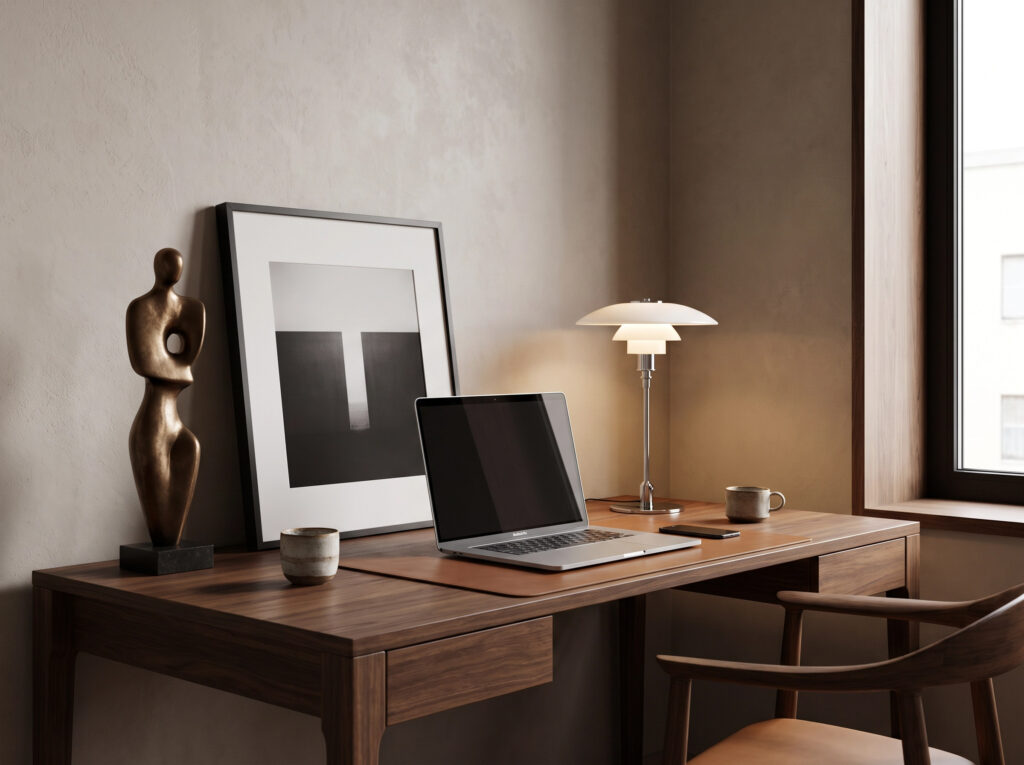
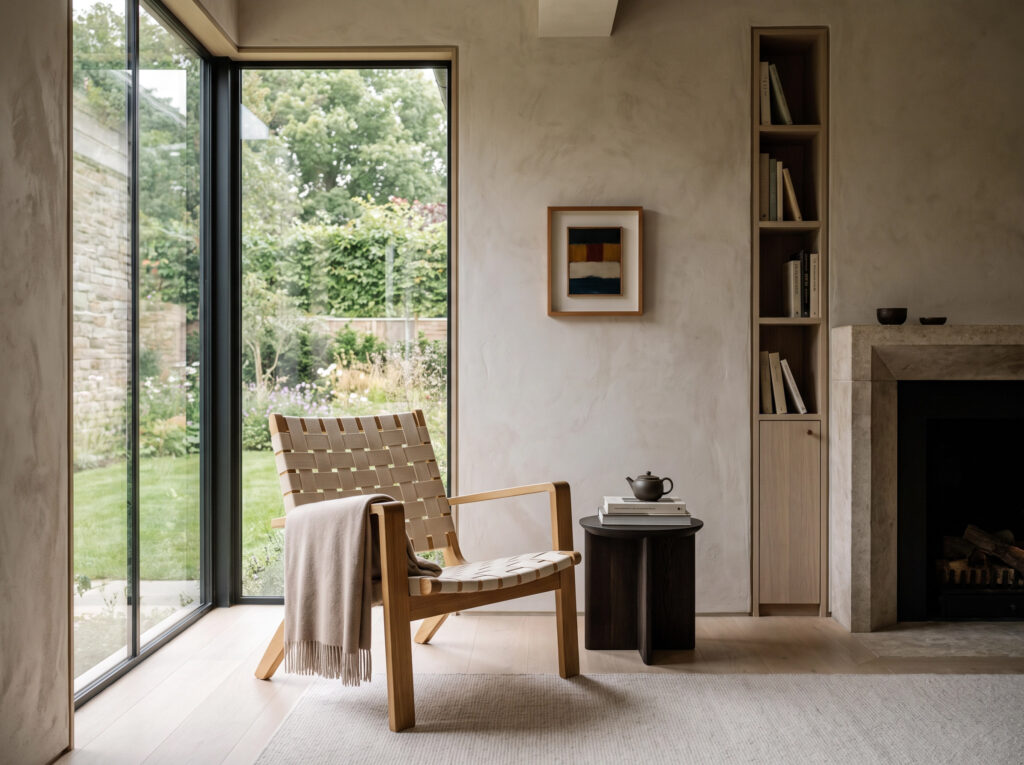
Small art is the “punctuation mark” of interior design. Whether it’s a tiny sculpture in a reading nook or a series of small canvases in a hallway, The Art of the Niche allows for architectural integration that large pieces simply cannot achieve. These works can be tucked into unexpected corners, placed on bookshelves, or even leaned against a desk, bringing art into the functional areas of our lives.
This level of integration is essential for those building a Private Gallery: Why Your Home is the Final Curator, where the narrative of the space is told through a series of intimate moments.
5. The Psychology of Detail and The Art of the Niche
Neuroaesthetics teaches us that our brains respond differently to different scales of visual stimuli. While large works can trigger awe, small-scale works—central to The Art of the Niche—trigger focus and curiosity. This cognitive engagement is restorative. In a world of digital distraction, the requirement to slow down and observe the fine details of a small painting acts as a form of visual meditation.
For those interested in the psychological impact of curation, our guide on Minimalist Color Psychology offers further insights into how these small moments of color can shift the energy of a room.
6. Curating a Journey: The Hallway Gallery
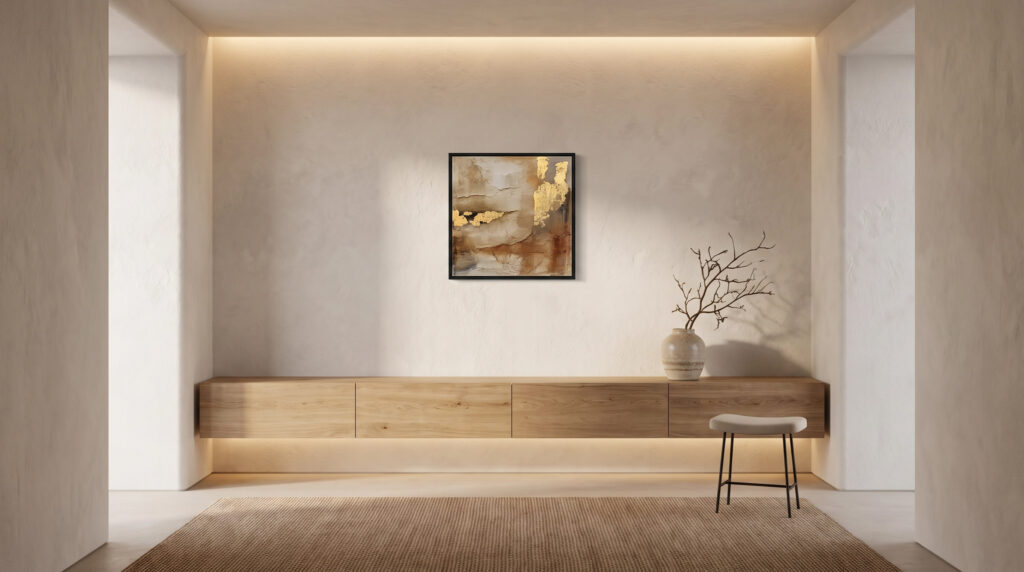
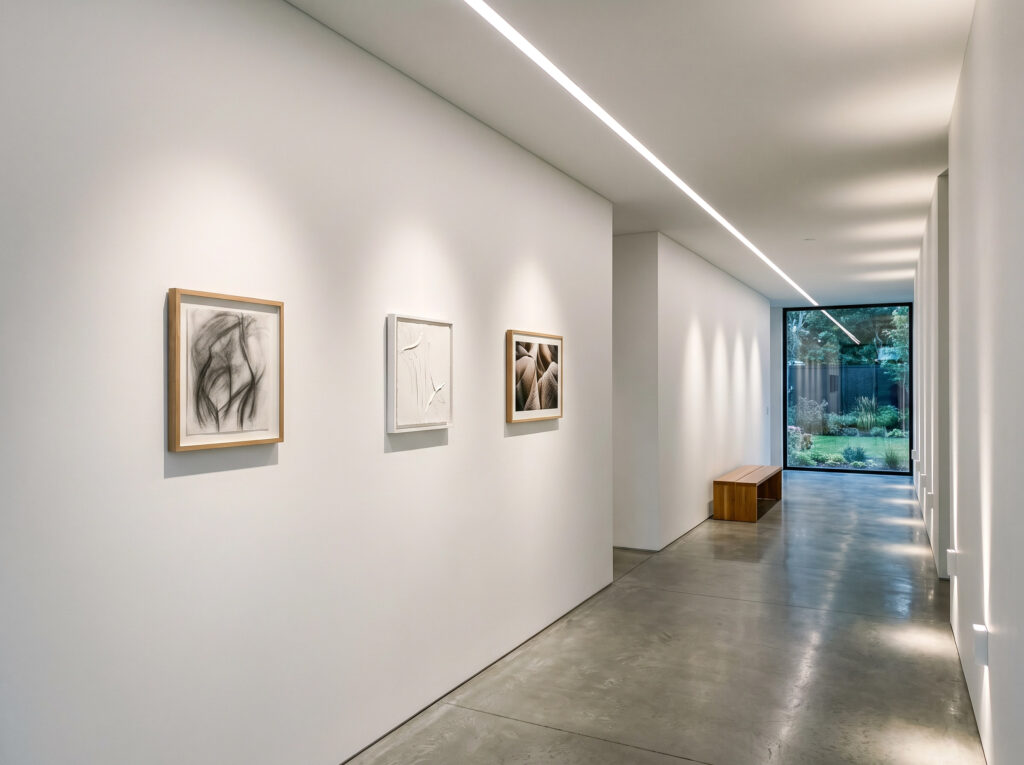
Hallways are often the most neglected spaces in a home, yet they offer the perfect canvas for The Art of the Niche. By placing a sequence of small works along a transitional path, you transform a mere corridor into a curated journey. This rhythmic placement creates a sense of movement and discovery, encouraging anyone walking through the space to pause and engage with the art.
Explore a wide variety of these intimate masterpieces at Saatchi Art, where small-scale originals are categorized to help you find the perfect fit for your niche.
7. Tactile Value: The Materiality of the Small
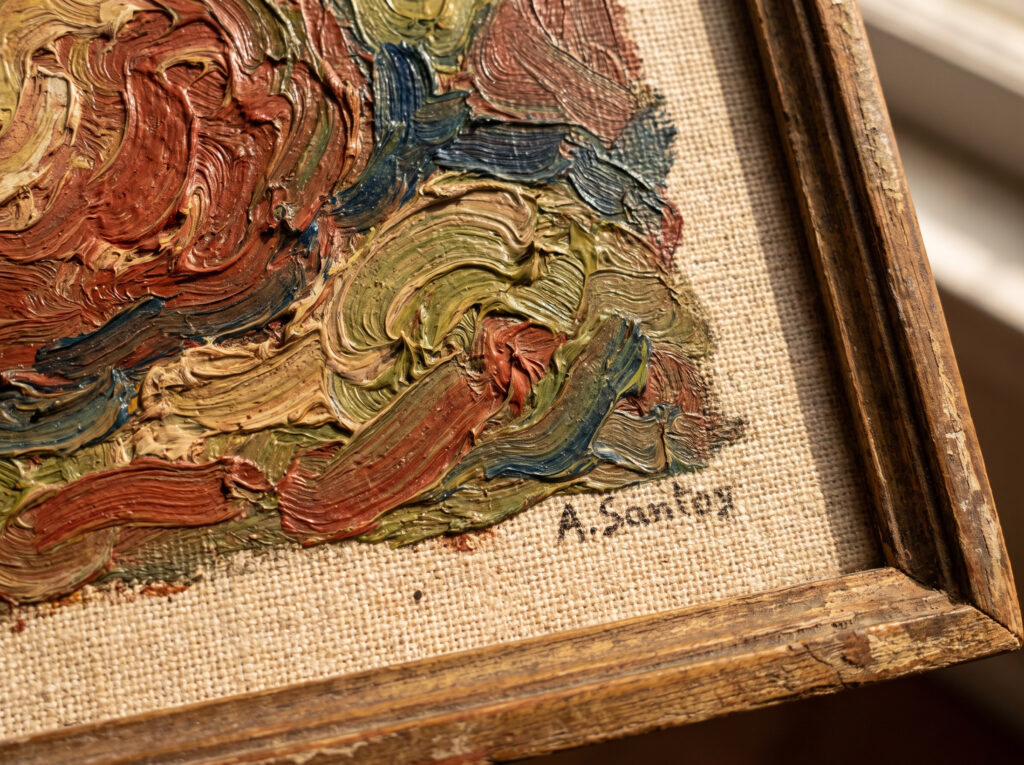
One of the most rewarding aspects of The Art of the Niche is the emphasis on materiality. In a small format, every texture is magnified. The weave of the linen, the thickness of the impasto, and the subtle variations in a matte finish become the primary subjects of the work. This tactile quality reminds us that art is a physical, handcrafted object—a necessary counterpoint to our increasingly digital existence.
Conclusion: Living with The Art of the Niche
Ultimately, The Art of the Niche is about the quality of life. It is about choosing to live with objects that demand our attention and reward our curiosity. By integrating small-scale art into our minimalist homes, we create spaces that are not just visually stunning, but deeply personal and restorative. Large-scale lives are built on these small, curated moments.